
Financing a new car in the UK | Cash vs Leasing.
For most people, buying a new car is the second biggest purchase you are likely to make (your home being the most expensive). With so many financing options out there, how do know the best way to pay for it?
We’ve all gone round and round in circles, trying to work out the most cost-effective method of funding our next car. This article considers how a cash purchase compares to leasing (also known as Private Contract Hire or PCH). Other methods of financing that aren’t covered by the article include using an unsecured bank loan, a secured bank loan and personal contract purchase (PCP).
Car depreciation
For the most part, all cars depreciate. According to the AA, a car will typically lose 60% of the purchase value after the first three years and 30,000 miles. However, this does vary between makes and models and the discounts available from dealers.
To illustrate, a new Mini 1.5 3 Door hatchback is available brand new for about £20,000. Three-year-old equivalents with 30,000 miles are selling at dealers for about £8,000 to £9,000, so the price you might achieve with a private sale or trade-in could be a couple of thousand pounds lower. If we assume a sale value of £7,000 after three years, the depreciation would be £13,000 or £361 each month. In this case, the Mini would lose 65% of its initial value.
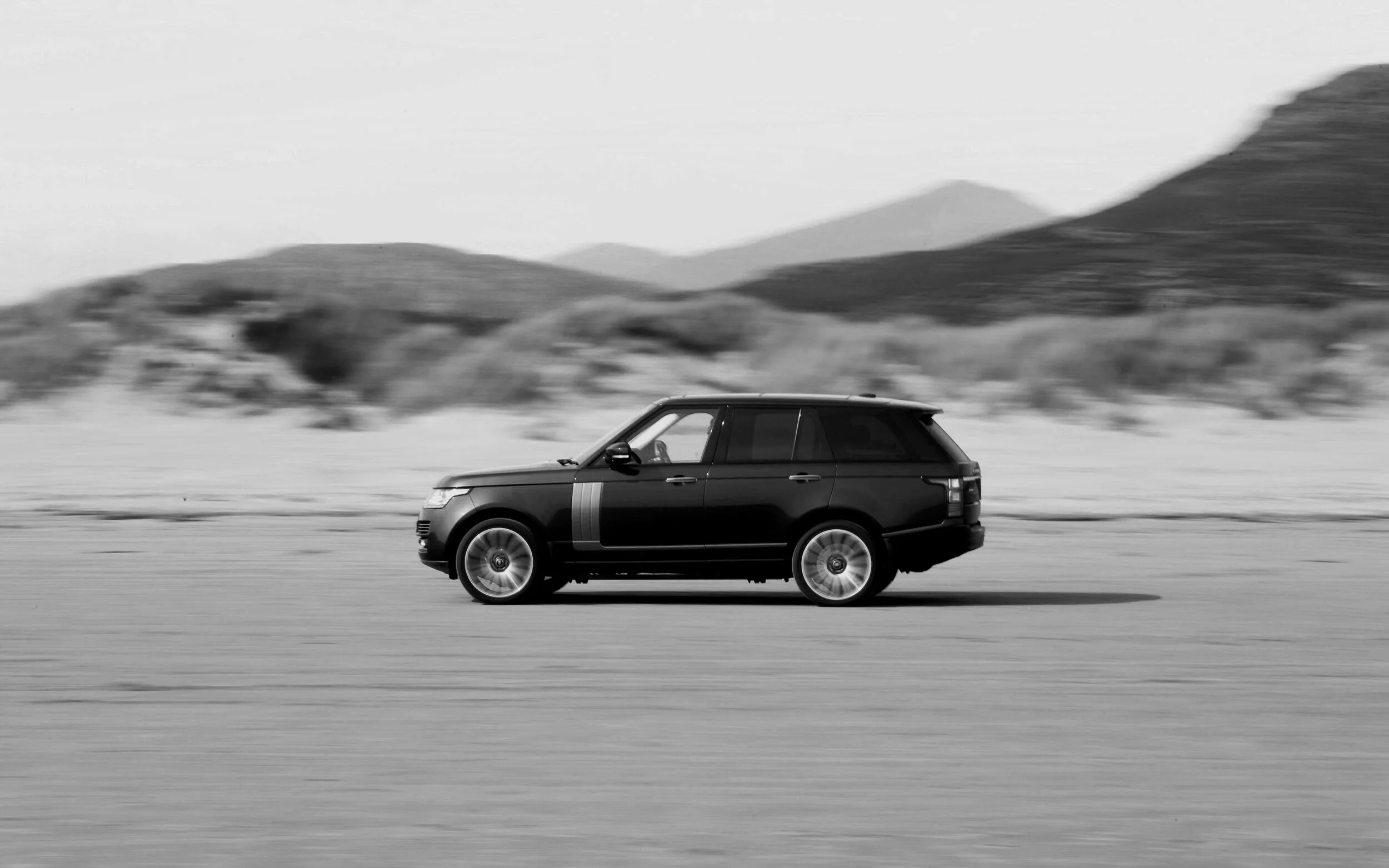
However, spare a thought for those that buy a 3.0D Range Rover Vogue brand new for about £77,000. After the same three year period and 30,000 miles, the private sale or trade-in value would be around £38,000. Therefore the depreciation would be £39,000 or £1,055 each month. In this case, the Range Rover would lose about 50% of its purchase value.
Cash Purchase
The most straightforward way to buy a car is to go out with your debit card and buy it with cash from your bank account. This means you own the car outright, you can sell it whenever you want and you don’t have any restrictions on mileage.
Your money will be subject to the full extent of depreciation and if you should need to access the money tied up in your car, you would have to sell the entire car as it’s totally indivisible. Furthermore, you would have to put additional money aside to replace the vehicle at some point in the future.
Car Leasing
Just like when you hire a car on holiday, car leasing is a longer-term method to have access to a car for a defined period of time and an agreed mileage limit. The monthly payments are fixed, you can choose how much to pay upfront to reduce the monthly payments and you will be liable for any damage charges or excess mileage at the end. At the end of the lease term (usually between 1 and 5 years), you simply hand the car back. You will never have any ownership of the car but you will be responsible for the maintenance of it during your tenure.
When leasing a car, the lease companies are charging you their forecasted depreciation, plus an interest rate as a return. They are able to secure heavy discounts from the manufactures which means the depreciation they suffer is likely to be less than if you bought it yourself. Nonetheless, all the risks of depreciation are entirely theirs.
Car Leasing vs Cash Purchase
At the time of writing, a brand new Range Rover Vogue is available to lease over 3 years and 30,000 miles for about £935 a month (including road tax) and a deposit of £2,805. This puts the total cost at £35,530 to have the exclusive use of a brand new Range Rover for three years.
If you bought this car for £77,000 cash, you could walk away with about £38,000 after selling it at the end of three years, costing you a slightly higher £39,000 over three years, you would also have to account for road tax and your capital is tied up in a single asset.
In this case, in cash-terms, leasing appears to offer better value as long as you are happy with the terms of the agreement and don’t intend to keep the car longer than the specified period.
Investing the capital instead
When looking at buying a car, it is also worth considering if your cash could be better used by being invested, rather than sitting in a depreciating asset. In the case of the Range Rover, £77,000 compounded over three years at 10% could be worth £103,000 after three years. This could give a total investment return of £26,000. Even a straightforward annual investment return rate of 10% on just the capital sum could produce an annual income of £7,700.
These are simplified calculations and don’t take factor in potential taxes, charges, inflation or investment risk. Equally, to get the full benefit of the investment, the lease payments would have to be made out of income, rather than the investment returns which could have an effect on your other financial goals.
On the face of it, however, these returns are very close to covering the vast majority of the lease payments and you would still have a large capital sum at the end of the three years.
Rounding things up
It’s easy to tie yourself up in knots when deciding how to fund a new car. Whatever your budget, buyers often end up spending more than was originally planned, which can affect other parts of your financial life.
Nonetheless, by choosing a new car (however you fund it) you can select the options and colour you want, have the benefit of the manufacturer’s warranty and are exempt from the stress of MOT tests for three years.
A cash purchase offers you the flexibility of selling whenever you want and you are not bound to any mileage limits whereas car leasing offers a fixed price per month, without the financial risk should the government change the laws on how that vehicle could be used. For example, a ban on diesel cars in town centres would seriously impact the value of that diesel Range Rover.
Clearly there are positives and negatives to each method of funding and due to the high levels of depreciation, there is great value to be had in buying a three-year-old used car. Although most car manufacturer’s warranties expire after three years, so you would then have to factor in the risks associated with running a used car, which is outside the scope of this article.
How do you prefer to buy your cars? Do you buy new or used, lease or cash or another method of funding? If you need advice on your finances and your investment options when making large purchases please get in touch.
Don’t forget, this article offers information about investing and financial planning and should not be taken as personal advice. Remember that investments can go up and down in value, so you could get back less than you put in.